
Home Generator Installation for Indianapolis Homeowners
July 29, 2026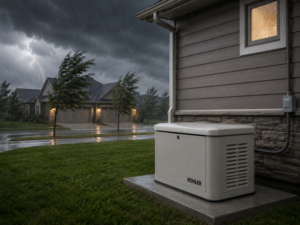 Power outages are a fact of life for many Indianapolis homeowners. Severe thunderstorms, fierce winds, ice storms, heavy snowfall, and summer heat waves can all interrupt utility service with little warning. Homes in surrounding rural communities may experience even longer restoration times after widespread storms. That’s why more families are investing in standby backup power.
A whole-house generator automatically restores electricity within seconds of an outage, allowing you to keep heating and cooling systems, refrigerators, lights, medical equipment, and other essentials operating.
This article explains what happens during home generator installation to help you prepare for the process so you can have confidence that your home will stay powered when the grid fails.
Why Indianapolis Homeowners Install Backup Generators
Power outages affect every household differently. For some families, losing electricity means spoiled groceries and uncomfortable temperatures. For others, it interrupts remote work, internet access, security systems, or medical equipment. During Indiana’s unpredictable weather, even a short outage can quickly become stressful.
A standby generator removes much of that uncertainty. Instead of setting up a portable generator in bad weather, you’ll have a system that automatically starts when utility power fails. That means you can stay inside while your home continues operating with minimal disruption.
Many homeowners also view a standby generator as a long-term investment in their property. As more buyers recognize the value of dependable backup power, professionally installed standby generators have become an attractive feature for many homes throughout Central Indiana.
Our Home Generator Installation Process
Tri-State Water, Power & Air offers home generator installation for prepared homeowners throughout the Indianapolis area. We start by evaluating your home’s electrical system and discussing your backup power goals. Rather than recommending the same generator for every customer, we take time to understand which appliances and systems you want operating during an outage.
Once the proper generator has been selected, the installation plan is developed around your property’s layout, fuel source, and electrical configuration. Installation includes preparing the site, positioning the generator, connecting fuel lines, installing the automatic transfer switch, completing electrical connections, and testing the entire system before it’s placed into service.
Professional testing is one of the most important steps. Before the project is complete, technicians verify that the generator starts automatically, transfers power properly, and responds the way it should during a utility outage.
Choosing the Right Generator Size
Generator size depends on much more than the size of your home. The biggest factor is how much electricity you want available when utility power is unavailable.
Some homeowners only want to keep essentials running, while others want nearly every room in the house powered without interruption. During the planning process, electrical loads are carefully calculated based on the equipment you want the generator to support.
It’s also important to account for the additional electricity required when larger appliances first start. Air conditioners, refrigerators, sump pumps, and similar equipment need a temporary surge of power that exceeds their normal operating demand. Factoring in this start-up load helps prevent performance issues during everyday operation.
By carefully reviewing your home’s electrical needs today and discussing possible future additions, Tri-State Water, Power & Air can recommend a generator that offers dependable performance without overspending on unnecessary capacity.
Preparing Your Home for Installation
Readying your property ahead of time helps the installation process move efficiently. Your installation team will determine the safest and most practical location for the generator while following manufacturer recommendations and local requirements.
A few simple preparations can help the project stay on schedule:
-
Clear access to the installation area.
-
Make electrical panels easy to reach.
-
Keep pets inside during installation.
-
Mention any planned home additions or outdoor projects.
-
Discuss landscaping or drainage concerns before work begins.
Taking care of these details allows the installation crew to focus on completing the project safely and efficiently.
Transfer Switch & Electrical Connections
The automatic transfer switch is what separates a standby generator from a portable one. When utility power goes out, the transfer switch detects the outage, starts the generator, and safely transfers your home’s electrical load to backup power. Once electricity is restored, it switches your home back to utility service.
Because the transfer switch becomes part of your home’s electrical system, professional installation is essential. Our experienced technicians carefully integrate every component, inspect each connection, and perform operational testing before the project is finished.
Fuel Source & Placement Considerations
Most standby generators operate using natural gas or propane. The available fuel source often influences the installation plan, along with the location of existing utility connections.
Placement is equally important. Generators must meet manufacturer clearance requirements while remaining accessible for maintenance and allowing proper airflow. Our installation team also considers grading, drainage, nearby windows, and local code requirements before selecting the final location.
Permits, Codes & Professional Installation
Installing a standby generator involves much more than connecting equipment. Every project must comply with local permitting requirements, electrical codes, and inspection standards.
Working with the experienced professionals at Tri-State Water, Power & Air helps reduce delays, protects your investment, and provides confidence that every part of the installation has been completed correctly.
What to Expect After Installation
Once your standby generator has been installed, Tri-State Water, Power & Air will explain how the system operates, what routine maintenance is recommended, and what to expect during scheduled self-tests. Like any engine, a standby generator benefits from regular service to keep it operating reliably through Indiana’s changing seasons.
Schedule a Consultation
If you’re researching the backup generators for sale in Indianapolis, our experienced team is ready to help.
Call Tri-State Water, Power & Air today to schedule your home generator installation consultation. Financing options are available.